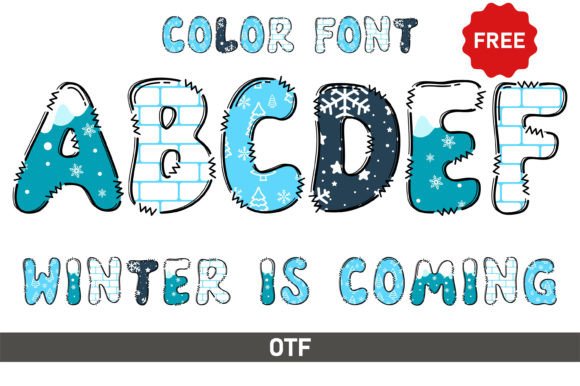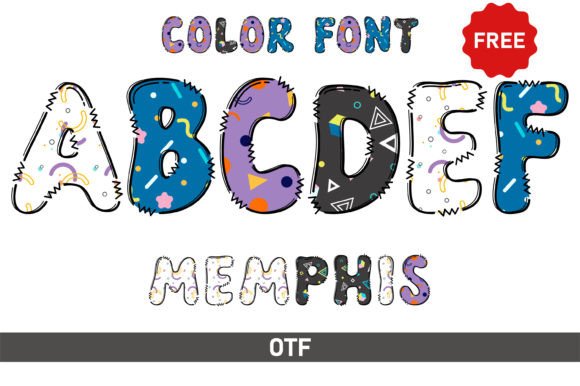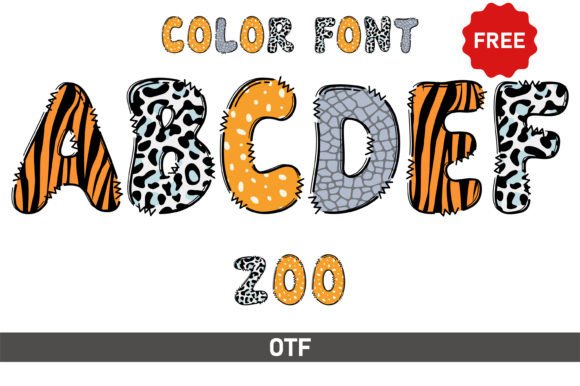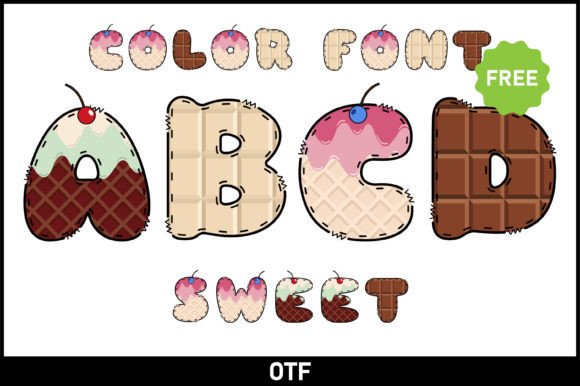
Animals Font: Playful, Artistic Typography for Creators
When you’re designing a birthday invitation for a jungle-themed party, illustrating a nature-based children’s book, or crafting a classroom poster about endangered species, the right font does more than look nice—it sets the tone, guides emotion, and reinforces your message before a single word is read. Animals is one such typeface: a hand-drawn, expressive font family designed to evoke curiosity, warmth, and whimsy—without sacrificing clarity or versatility.
What Makes Animals Distinct—and Why It Fits Real Creative Work
Animals isn’t just another decorative script. Its letterforms feature subtle irregularities, organic stroke variation, and gentle bounce—traits that mimic natural movement and childlike energy. Unlike overly rigid or cartoonish alternatives, it balances personality with readability, especially at medium to large sizes (18pt and up). That balance matters when your audience includes both kids and adults—think educators preparing lesson visuals, indie publishers laying out picture books, or small business owners branding a pet-sitting service.
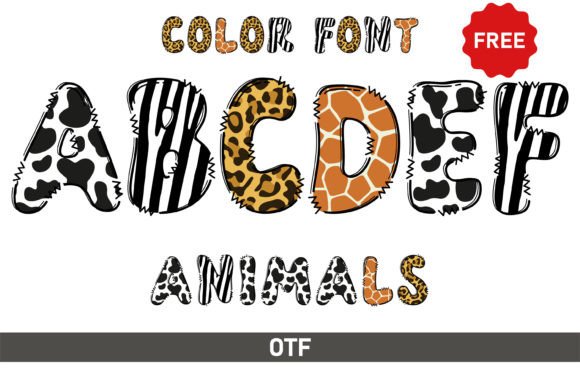
The font comes in two functional variants: a black-only version and a color version. This distinction isn’t arbitrary—it reflects how design tools handle typography differently. The black version is delivered as standard OTF/TTF files, fully compatible with Cricut Design Space, Sure Cuts A Lot, and other cutting machine software. That means if you’re making vinyl decals for animal-themed nursery decor or custom stickers for a wildlife conservation fundraiser, you can import, size, and cut Animals without conversion workarounds or layering tricks.
Where Animals Saves Time—and Why That Adds Up
Creative professionals often underestimate how much time gets lost wrestling with font compatibility. Imagine spending 45 minutes trying to separate colored layers in a vector file, only to discover your cutting machine won’t recognize the embedded color data. With Animals, that friction disappears for monochrome applications. You type your text, adjust spacing, and send it straight to your Cricut—no rasterizing, no manual tracing, no guesswork. For freelancers juggling multiple client projects, that reliability translates into faster turnaround and fewer revision rounds.
Consider a small-batch greeting card maker who sells on Etsy. Using the black Animals font, they can quickly generate consistent, themed designs—“Happy Birthday, Little Panda!” or “Adopted & Adored”—then cut them cleanly on kraft paper or metallic foil. No need to maintain separate font libraries or troubleshoot export settings across devices. That consistency builds brand recognition over time, too.
When Color Adds Meaning—And What to Keep in Mind
The color version of Animals unlocks expressive potential where visual nuance matters most: digital illustrations, editorial layouts, social media graphics, or interactive PDFs. Each letter includes layered color fills—think soft gradients, textured fur effects, or watercolor washes—that respond dynamically to your design environment. In Adobe Photoshop or Illustrator, those colors remain editable and scalable. In Silhouette Studio or Inkscape, they retain fidelity when exported as SVG or PDF.
But here’s the key limitation to plan around: the color files are *not* supported by Cricut Design Space or most physical cutting tools. Their OTF/TTF wrappers don’t carry embedded color data in a way those platforms interpret. So if your workflow involves both digital publishing *and* physical production, treat the color version as a separate asset—ideal for screen-based storytelling, but not for vinyl, iron-on, or paper-cutting tasks. That doesn’t reduce its value; it simply clarifies where it belongs in your toolkit.
Who Benefits Most—and How They Use It
- Educators and homeschoolers use the black Animals font to create engaging flashcards, classroom labels (“Reptile Corner”, “Birdwatcher’s Log”), and printable activity sheets—all cut cleanly for tactile learning.
- Children’s book illustrators and self-publishers rely on the color version for cover typography and chapter headers, then switch to the black variant for interior text elements meant for print-on-demand services that require CMYK-safe fonts.
- Small business owners running pet boutiques, animal shelters, or nature camps apply Animals across touchpoints: signage (cut vinyl), email newsletters (web-safe fallbacks), and social banners (color-enhanced visuals).
- Hobbyists and crafters appreciate how the black version scales beautifully—from tiny jar labels for homemade honey (“Bee Happy”) to large wall decals for playrooms—without pixelation or alignment issues.
Practical Tips for Getting the Most From Animals
Start simple: try Animals in a real project before investing in extended licenses or add-ons. Pair it with clean, neutral sans-serifs (like Montserrat or Open Sans) for body text—this contrast keeps playful headings from overwhelming readability. Avoid using the color version in multi-page PDFs intended for wide distribution unless you confirm recipient software supports advanced font features.
If you're new to cutting machines, test the black Animals font at different sizes first. At under 24pt, some letters (like lowercase ‘g’ or ‘y’) may lose fine detail during cutting—so reserve smaller sizes for simple words or initials. For best results, use smooth, medium-weight materials like permanent vinyl or cardstock, and avoid highly textured papers that obscure subtle strokes.
Also remember: while Animals excels in playful contexts, it’s not ideal for formal reports, legal disclaimers, or accessibility-critical interfaces. Its decorative nature means it shouldn’t serve as primary UI text or long-form reading material. Use it where voice and visual identity matter—not where neutrality or strict legibility is required.
A Thoughtful Fit, Not a One-Size-All Solution
Choosing Animals isn’t about chasing trends—it’s about matching typography to intent. If your goal is to spark joy, invite interaction, or soften technical subject matter (like explaining ecosystems to third graders), this font delivers tangible support. But it works best when chosen deliberately, not automatically. Compare it against alternatives like Bonbon or Kids Stuff not just by appearance, but by file compatibility, licensing scope, and how easily it integrates into *your* existing tools and output needs.
For creators who regularly move between digital and physical outputs, having both black and color versions of Animals offers flexibility without fragmentation—provided you understand each variant’s boundaries. That clarity alone helps avoid mid-project surprises, reduces reliance on workarounds, and lets you focus on what matters most: communicating with authenticity, efficiency, and heart.