Trick or Treat: A Creative Force in Design and Typography
In the ever-evolving world of design, certain elements stand out not just for their aesthetic appeal but for their ability to convey emotion, context, and personality. One such element is the Trick or Treat font—a versatile typeface that has found its way into a wide array of creative projects. From children’s books to festive invitations, this font exemplifies how typography can shape the visual language of a design. Understanding its role in the broader creative landscape helps professionals, entrepreneurs, and designers harness its potential effectively.
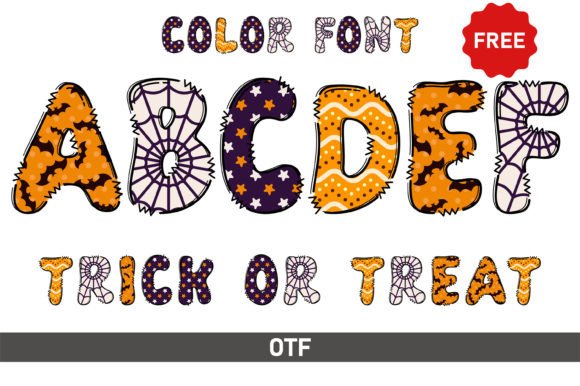
The Trick or Treat font is more than just a set of characters; it's a tool that can influence the tone and message of a project. Its playful and whimsical style makes it ideal for designs targeting younger audiences or those seeking a lighthearted, engaging feel. Whether used in marketing materials, event posters, or digital content, this font adds a unique touch that captures attention and conveys a sense of fun.
The Role of Typography in Modern Design
Typography is one of the most powerful tools in a designer’s arsenal. It goes beyond mere text—it shapes the user experience, communicates brand identity, and influences emotional responses. In today’s design industry, where visual storytelling is paramount, fonts like Trick or Treat play a crucial role in creating memorable and impactful visuals.
With the rise of digital platforms and social media, the demand for visually striking content has never been higher. Designers are constantly seeking fonts that can help them stand out in a crowded space. The Trick or Treat font, with its distinctive style, offers a solution for those looking to add a touch of creativity and originality to their work.
Moreover, as businesses and brands aim to connect with younger demographics, the use of playful and expressive fonts has become increasingly common. This trend aligns with the broader shift toward more personalized and engaging content. By incorporating fonts like Trick or Treat, designers can create a more dynamic and relatable visual identity that resonates with modern audiences.
Applications Across Industries and Projects
The versatility of the Trick or Treat font makes it suitable for a wide range of applications. In the realm of children’s books, for example, this font can enhance the reading experience by making text more engaging and accessible. Its easy-to-read structure ensures that young readers can follow along without difficulty, while its whimsical design adds an element of fun and imagination.
Similarly, in the field of event planning and marketing, the Trick or Treat font is often used in posters, invitations, and promotional materials. Whether it’s a Halloween party, a birthday celebration, or a themed event, this font can help set the tone and create a cohesive visual theme. Its bold and colorful appearance makes it ideal for eye-catching designs that grab attention and convey excitement.
For entrepreneurs and small business owners, the Trick or Treat font offers a cost-effective way to elevate their branding efforts. With the right application, it can transform simple designs into something more memorable and distinctive. This is particularly valuable in industries where visual appeal plays a significant role in customer engagement and brand recognition.
Technical Considerations and Compatibility
While the Trick or Treat font is widely used, it’s important to understand its technical specifications and compatibility requirements. The black version of this font is compatible with popular design software such as Cricut Design Space, making it a go-to choice for users who rely on cutting machines for their projects. This compatibility ensures that designers can seamlessly integrate the font into their workflow without encountering technical barriers.
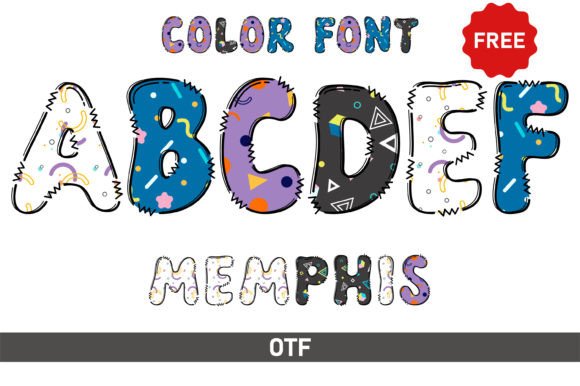
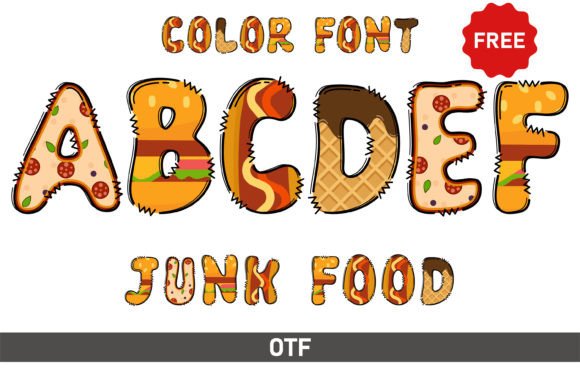
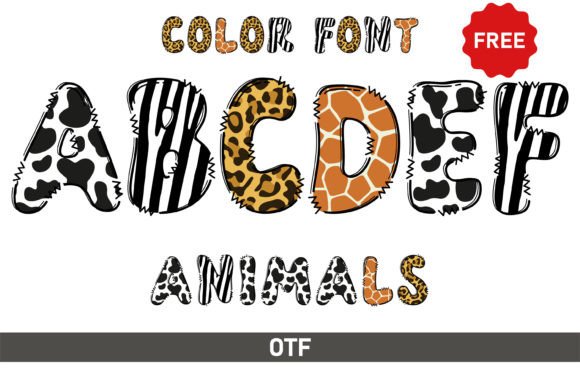
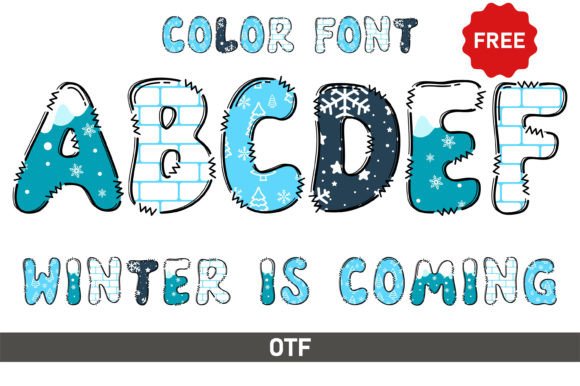
On the other hand, the color version of the Trick or Treat font is designed for more advanced design programs such as Adobe Photoshop, Illustrator, Silhouette, and Inkscape. However, it’s worth noting that the OTF and TTF files of the color version are not compatible with Cricut. This distinction is crucial for users who may be working with different tools and platforms, as it affects how the font can be utilized in various projects.
For those new to working with specialized fonts, understanding these nuances is essential. It not only helps in selecting the right version for a specific task but also ensures that the final output meets the desired quality and functionality standards. For more detailed guidance on using this type of font, referring to resources like the Ultimate Font Guide can provide additional insights and best practices.
Why Trick or Treat Matters in Today’s Creative Landscape
The growing interest in Trick or Treat reflects a larger shift in the creative industry towards more expressive and personalized design solutions. As consumers become more discerning and demand unique experiences, the need for distinctive typography has never been greater. Fonts like Trick or Treat offer a way to meet this demand by adding character and individuality to every project.
This trend is also influenced by advancements in technology and design software. With the availability of more sophisticated tools, designers have greater freedom to experiment with different fonts and styles. The Trick or Treat font, with its blend of playfulness and readability, fits perfectly into this evolving landscape, offering a balance between aesthetics and functionality.
Furthermore, as remote work and digital collaboration become more prevalent, the importance of clear and effective communication through design has increased. Fonts that are both visually appealing and easy to read play a critical role in ensuring that messages are conveyed effectively across different platforms and mediums.
Looking Ahead: The Future of Typography and Design
As we look to the future, the role of typography in design will continue to evolve. With the increasing integration of AI and automation in creative workflows, the demand for adaptable and versatile fonts will likely grow. The Trick or Treat font, with its flexibility and appeal, is well-positioned to remain relevant in this changing environment.
Additionally, as sustainability and ethical design practices gain traction, there may be a renewed focus on the accessibility and usability of fonts. This could lead to the development of more inclusive and user-friendly typefaces that cater to a wider audience. The Trick or Treat font, with its emphasis on clarity and creativity, aligns with these emerging priorities and could serve as a model for future design trends.
Ultimately, the continued popularity of Trick or Treat underscores the enduring power of typography in shaping the visual world. As designers, entrepreneurs, and creators continue to explore new ways to express their ideas, fonts like this will remain an essential part of the creative process.