Revolutionizing Design with Note Paper: A Creative Handwritten Font for the Modern Era
In a world increasingly dominated by digital interfaces and automated processes, the human touch remains a powerful differentiator. One such element that has gained traction in the design and creative industries is the Note Paper font—a unique handwritten typeface that blends creativity with practicality. Developed by Author Muchson Astadziri, Note Paper offers a fresh approach to typography, making it an ideal choice for professionals, entrepreneurs, and creators seeking to infuse their work with authenticity and personality.
As the demand for personalized and expressive design continues to grow, fonts like Note Paper are becoming essential tools in the creative arsenal. This article explores what makes Note Paper stand out, how it aligns with current industry trends, and why it’s gaining attention among designers, marketers, and business professionals.
What is Note Paper?
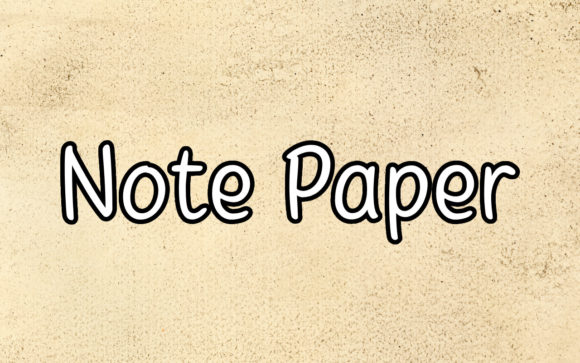
Note Paper is a handwritten font designed to mimic the natural flow of pen on paper. Its characters are carefully crafted to reflect the subtle variations found in real handwriting, giving it a warm, organic feel. Unlike rigid, geometric typefaces, Note Paper exudes a sense of approachability and individuality, making it ideal for projects that require a personal touch.
The font features well-balanced letterforms, with each character thoughtfully designed to maintain legibility while preserving the charm of hand-drawn aesthetics. Whether used in branding, web design, or print media, Note Paper adds a layer of creativity that can elevate any visual communication.
How Note Paper Fits Into Broader Industry Trends
The rise of Note Paper reflects a larger shift in the design and marketing industries toward more authentic and human-centric approaches. In an age where consumers are bombarded with digital content, the value of genuine, handmade elements has never been higher. Brands are increasingly looking for ways to stand out, and Note Paper offers a compelling solution.
This trend aligns with the growing emphasis on brand storytelling and emotional connection. By using a font that feels personal and expressive, businesses can create a stronger bond with their audience. For example, startups and small businesses often use Note Paper in their logos and promotional materials to convey a sense of creativity and trustworthiness.
Moreover, Note Paper fits into the broader movement toward minimalist design and clean aesthetics. While it retains the warmth of handwriting, it avoids the clutter often associated with more ornate typefaces. This balance makes it versatile enough to be used across various platforms, from social media posts to packaging designs.
Why People Are Paying Attention to Note Paper
The increasing popularity of Note Paper can be attributed to several factors, including its ability to meet evolving consumer expectations and creative workflows. As people become more discerning about the visual language they encounter, they are drawn to fonts that feel authentic and meaningful.
One reason Note Paper resonates with professionals is its adaptability. It works well in both digital and print formats, allowing users to maintain consistency across multiple channels. For instance, a designer might use Note Paper for a website header, a mobile app interface, and a printed brochure—all while maintaining a cohesive brand identity.
Additionally, the font appeals to those who value efficiency and creativity in equal measure. With its clean structure and easy-to-read characters, Note Paper doesn’t sacrifice clarity for style. This makes it particularly useful for content creators, educators, and marketers who need to communicate ideas effectively without compromising on visual appeal.
Changing Needs and Preferences in the Creative Industry
The creative industry is constantly evolving, and so are the needs of professionals working within it. Today’s designers, writers, and entrepreneurs are looking for tools that not only enhance their work but also reflect their values and vision. Note Paper meets these demands by offering a font that is both functional and expressive.
For instance, in the realm of digital marketing, where first impressions matter, Note Paper can help brands differentiate themselves. A social media post using this font might catch the eye of a potential customer in a way that a standard sans-serif font would not. Similarly, in content marketing, using Note Paper in blog headlines or email newsletters can add a personal touch that fosters engagement.
Another area where Note Paper shines is in freelance and independent work. Freelancers often rely on their portfolios to showcase their skills and style. By incorporating Note Paper into their work, they can demonstrate a keen understanding of typography and design principles, setting them apart from competitors.
Practical Examples and Observations
Many professionals have already begun integrating Note Paper into their workflows with impressive results. For example, a graphic designer might use the font in a client’s logo to give it a more personal and approachable feel. A writer could use it in a book cover to evoke a sense of nostalgia or intimacy.
Observations from the field suggest that Note Paper is particularly effective in educational content and personal branding. Teachers and educators often use it in lesson plans or presentations to make information more engaging. Meanwhile, influencers and thought leaders use it in their social media bios or content titles to create a more relatable image.
Furthermore, Note Paper has found a place in product packaging and branding campaigns. Companies that want to convey a sense of craftsmanship and care often opt for this font to reinforce their message. It’s a subtle yet powerful way to communicate quality and authenticity.
Connecting to Larger Developments
The success of Note Paper is not an isolated phenomenon—it’s part of a larger conversation about the role of typography in modern design. As technology continues to shape how we interact with visual content, the importance of thoughtful, intentional design becomes even more critical.
With the rise of AI-generated content and automated design tools, there’s a growing appreciation for human-made elements that add depth and meaning. Note Paper exemplifies this shift by offering a font that feels deeply personal, even as it adapts to digital environments.
Moreover, as sustainability and ethical practices become more central to business strategies, fonts like Note Paper can play a role in reinforcing a brand’s commitment to authenticity and transparency. By choosing a typeface that reflects a hands-on, thoughtful approach, companies can align their visual identity with their values.
Conclusion
In an era defined by rapid change and digital saturation, Note Paper stands out as a font that bridges the gap between tradition and innovation. Its unique blend of creativity, functionality, and authenticity makes it a valuable asset for professionals across various industries.
Whether you’re a designer, marketer, entrepreneur, or creative enthusiast, Note Paper offers a way to express your vision with clarity and character. As the demand for personalized and meaningful design continues to grow, fonts like Note Paper will remain at the forefront of the creative landscape. Embrace the power of handwritten typography, and let your ideas come alive with Note Paper.