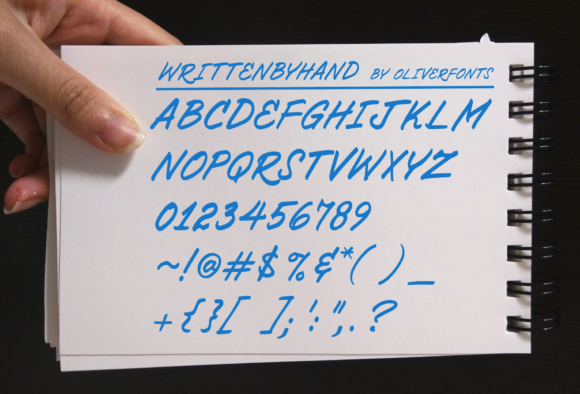
Written By Hand: A Casual All Caps Script Font
When it comes to typography, the choice of font can significantly impact the visual appeal and message of a design. One such font that has gained attention for its unique style is Written by Hand. This casual all caps script font offers a distinctive handwritten touch, making it an appealing option for various design projects. In this article, we will explore what Written by Hand is, why someone might be interested in it, and how it compares to other fonts in terms of benefits, tradeoffs, and suitability for different scenarios.
What is Written by Hand?
Written by Hand is a script font designed to mimic the look of handwriting, but with a modern twist. Unlike traditional handwritten fonts that may vary in style and legibility, Written by Hand maintains a consistent and clean appearance. Its all caps format gives it a bold and confident look, making it ideal for headlines, logos, and other design elements that require a personal touch without sacrificing readability.
The font's casual nature makes it particularly well-suited for brands or projects that aim to convey a sense of authenticity and approachability. Whether used in print or digital media, Written by Hand can add a human element to any design, helping to create a more engaging and relatable visual experience.
Why Consider Written by Hand?
There are several reasons why a designer or content creator might consider using Written by Hand. One of the primary motivations is the desire to add a personal or handmade feel to a project. In an era where digital design often feels sterile, a font like Written by Hand can bring warmth and character to a design, making it stand out from the crowd.
Another reason to consider Written by Hand is its versatility. While it is primarily a script font, its all caps format allows it to be used in a variety of contexts, from branding and packaging to social media graphics and web design. The font’s simplicity also means it can be paired with other typefaces without clashing, providing designers with greater flexibility in their creative process.
Benefits and Tradeoffs
Using Written by Hand offers several advantages. Its handcrafted aesthetic can enhance the emotional impact of a design, making it more memorable and engaging. Additionally, the font’s clarity ensures that it remains readable even at smaller sizes, which is crucial for effective communication.
However, there are also tradeoffs to consider. While Written by Hand is visually appealing, it may not be suitable for all types of content. For instance, it may not be the best choice for body text in long-form documents, as its script style could reduce readability. Furthermore, because it is a specialized font, it may not be available in all design software, requiring users to download and install it separately.
Situations Where It Fits Well
Written by Hand is particularly well-suited for projects that benefit from a personal and authentic feel. This includes branding for small businesses, startups, or creative ventures that want to establish a unique identity. It can also be effective for marketing materials, such as brochures, posters, and social media posts, where a handwritten touch can make a strong impression.
In addition, Written by Hand is ideal for designs that aim to evoke a sense of nostalgia or craftsmanship. Whether used in a vintage-themed project or a contemporary design with a handmade aesthetic, the font can help convey the intended mood and message effectively.
Situations Where Alternatives May Be Better
While Written by Hand has its strengths, there are situations where alternative fonts may be more appropriate. For example, if the goal is to create a professional or formal design, a serif or sans-serif font might be a better choice. These fonts tend to be more versatile and widely recognized, making them suitable for a broader range of applications.
Additionally, for projects that require high levels of readability, such as instructional materials or technical documentation, a simpler and more straightforward font would be preferable. In these cases, the complexity of a script font like Written by Hand could hinder the user’s ability to quickly absorb information.
Practical Decision-Making Insights
When deciding whether to use Written by Hand, it’s important to consider the specific goals and context of the project. Ask yourself: What message do I want to convey? Who is my target audience? What is the overall tone and style of the design?
If the answer aligns with a casual, personal, or creative approach, then Written by Hand could be an excellent fit. However, if the project requires a more formal or functional design, it may be worth exploring other options. Testing the font in different contexts and gathering feedback from others can also help in making an informed decision.
Ultimately, the key to successful font selection lies in understanding the purpose of the design and how the chosen typeface contributes to that purpose. Written by Hand offers a unique and appealing option for those looking to add a handwritten touch to their work, but it is just one of many tools available to designers and creators.